

St.Paul School System
Project of “The Last Age Ministries®
Setting up our foundational school:
1st Foundational School:
On January 26, 2008, we inaugurated our inaugural educational institution, currently known as St. Paul School System (formerly designated as Last Age School), commencing operations with a modest enrollment of five students and a single educator. This initiative was launched in a tent situated in an outdoor setting within a slum region. At that time, we lacked consistent financial resources and external support; our only currency was a profound faith in divine Providence. The establishment of the school was predicated on the conviction that God would fulfill its requirements. It is imperative to note that this undertaking is not a commercial enterprise or profit-driven initiative; it operates as a non-profit missionary institution.
No Building / No Boundary:
The commencement phase presented numerous challenges, characterized by the absence of a physical structure, boundary walls, electrical resources, and appropriate furnishings. Students were required to sit upon mats on the ground. Our primary objective was to deliver complimentary education to children who otherwise possessed no access to academic institutions. The geographic constraints of the area limited transportation options, resulting in attendance being contingent upon the ability of children to traverse to the school on foot.
A critical inquiry persisted: “Will parents consent to send their children to school?” A significant number of families in the community harbored the belief that their children should contribute to family income through labor rather than pursue education.
Progressively, parents began enrolling their children, and the institution commenced the provision of complimentary educational materials, such as textbooks, notebooks, stationery, uniforms, and school bags. Additionally, the absence of tuition fees proved advantageous, engendering parental satisfaction and fostering a conducive learning environment for the children. This development represented a substantial advancement for the community.
Frequent Relocation of Families:
A significant obstacle encountered was the frequent relocation of families within the community. Due to employment circumstances, these families exhibited a tendency to relocate often. Our investment in their children’s educational journey was frequently undermined by their departure, which occasionally involved taking educational materials with them. Regardless, we maintained our commitment to supporting new students who joined the institution, albeit while experiencing a gradual decline in overall enrollment.
This mobility, compounded by pervasive poverty, frequently compelled children to abandon their educational pursuits in favor of employment opportunities. Such situations were disheartening, prompting contemplation regarding the sustainability of the school. Relocation appeared to be the primary avenue available.
Continuous Relocation and Lack of a Permanent Building:
Since the inception of the school, we have encountered the necessity of relocating on multiple occasions. The pursuit of a stable physical location has proven to be a continual challenge. At one juncture, families within the community permitted us to utilize their modest residences as temporary classroom spaces; however, this arrangement impinged upon their privacy, ultimately leading them to request cessation of such practices.
In instances where no suitable space was available, outdoor instruction became untenable, particularly during adverse weather conditions, including extreme heat, rain, or storms. This situation led to periods of despair; however, we remained steadfast in our prayers and belief that divine guidance would illuminate our path. Eventually, we were fortunate to identify a new location.
Since its establishment, the institution has undergone relocation on at least six occasions, primarily due to challenges associated with rented facilities and insufficient cooperation from landlords. This instability has presented a significant hurdle, adversely affecting the school’s reputation and the educational experience of the students. The acquisition of a permanent building remains a paramount necessity in our quest to establish a stable environment for the children.
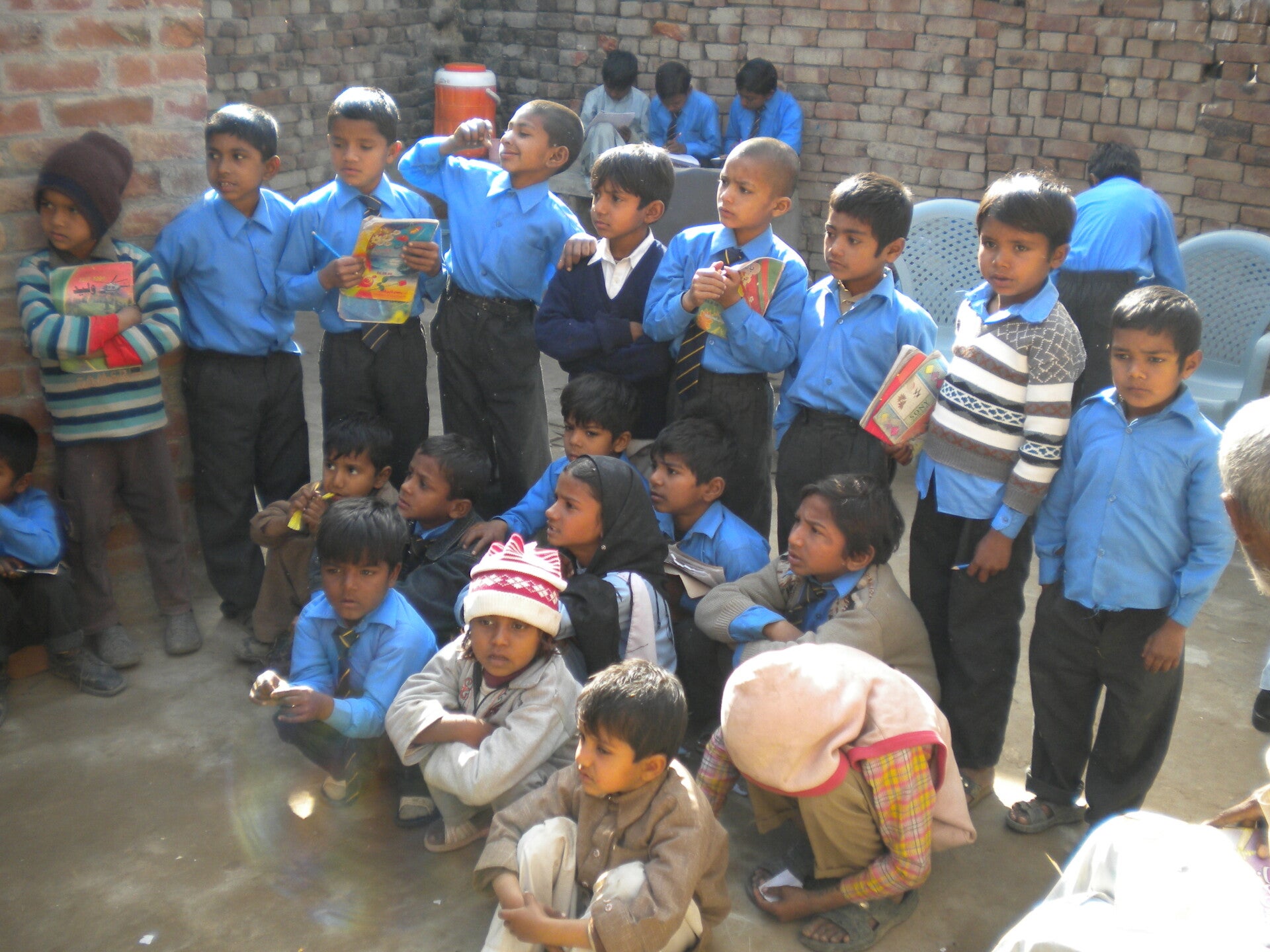
Reaching out to families and the community:
Our primary objective is to engage families, children, and community leaders in fostering an educational environment that delivers meaningful benefits to all stakeholders. We are committed to leveraging the transformative power of education to empower individuals and fortify the broader community.
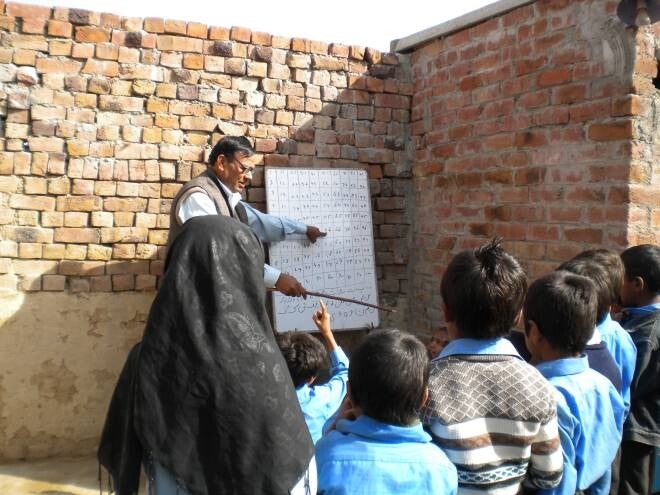
A chain of education:
We hope that the St. Paul School will bring positive change by creating a cycle of education. As students complete their education and establish themselves, they will, in turn, educate others. This chain reaction will empower generations to come, fostering continuous growth and development within the community.
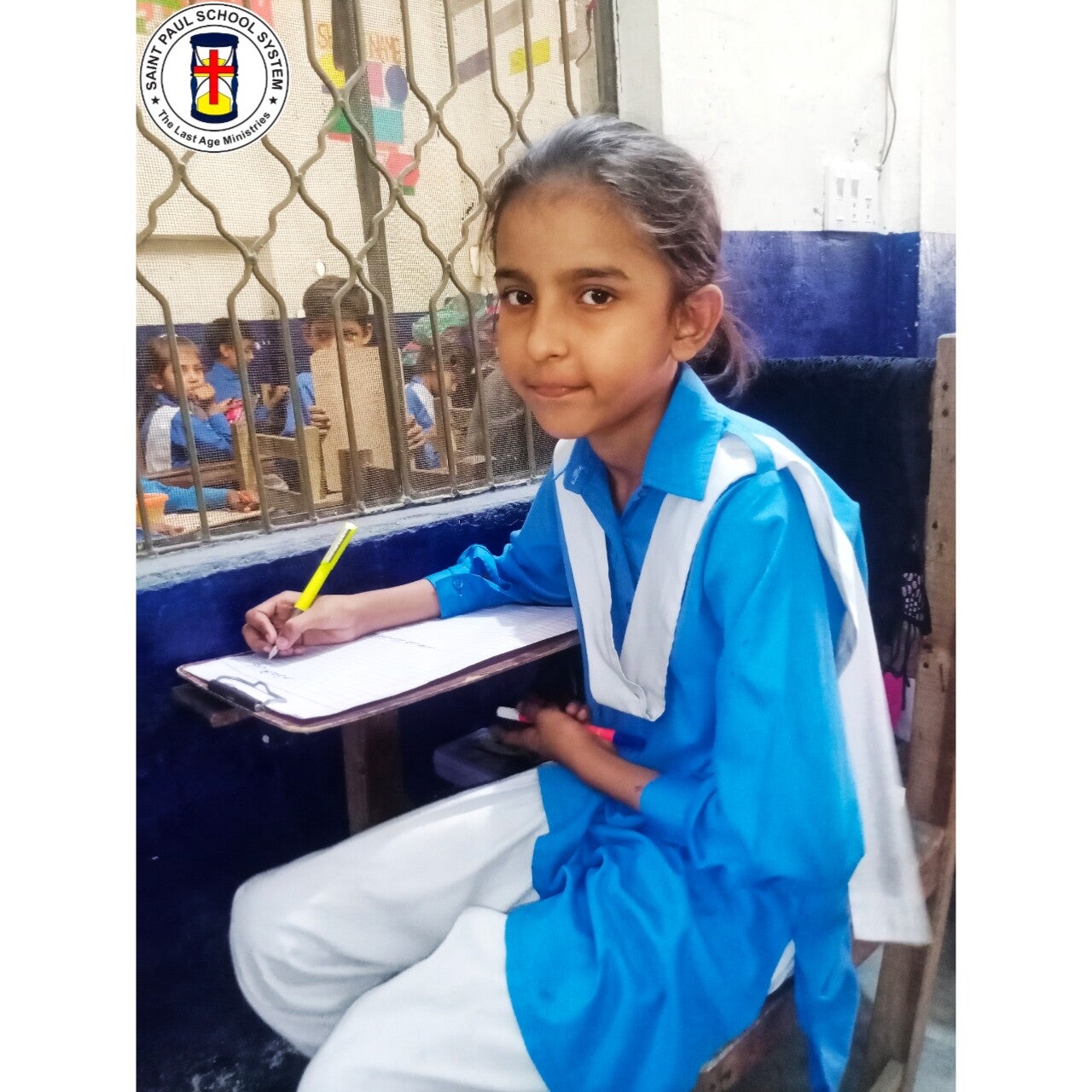
A superior learning environment:
At St. Paul School, we’re all about giving kids the best education in the best environment. You can feel confident knowing your child will get a top-notch education in a caring and supportive space that’s all about helping them thrive, both academically and personally.